5.0 Rated on Google


Stay Cool Climate Control
Why Your AC Drain Line Clogs (And Why It Can Shut Your System Down)
When you think about your air conditioner working hard during a hot summer afternoon, you probably picture the fan spinning outside or the crisp, cold air blowing out of your vents. But there is a quiet, hidden side to the cooling process that involves a surprising amount of water. As your air conditioner cools your home, it acts like a giant dehumidifier, pulling gallons of sticky airborne moisture out of your indoor air every single day.
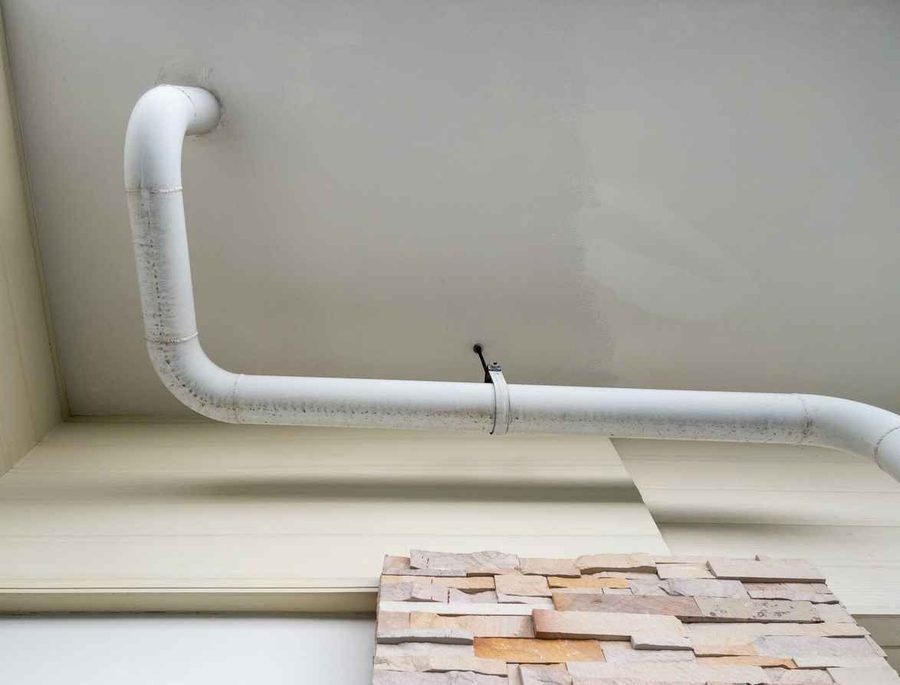
All of that water has to go somewhere. Your system collects this condensation in a small plastic drain pan beneath your indoor coils and sends it safely outside through a thin PVC pipe called a condensate drain line. Because this pipe is usually hidden behind drywall or tucked away in a dark utility closet, most homeowners never give it a second thought until it clogs. A blocked AC drain line can cause immediate water damage to your ceilings, but it can also do something that catches many families completely off guard: it can shut your entire cooling system down instantly. Stay Cool Climate Control has been helping local families across St. Charles County keep their homes comfortable and running smoothly for years. This guide breaks down why your AC drain line clogs, why it turns off your cooling power, and the simplest ways to clear the path.
The Root of the Clog: What is Growing Inside Your Pipes?
Your AC drain line is a dark, warm, and constantly damp environment. Because it carries a steady stream of water pulled straight from your indoor air, it naturally collects microscopic debris that passes right through your standard home air filter.
The Everyday Culprits That Block Your Drain Line
Over a busy summer season, a few common household materials can combine inside that thin plastic pipe to create a stubborn gelatinous blockage:
-
Algae and Slime Accumulation: Dust, pollen, and airborne skin cells settle on your wet indoor cooling coils and wash down into the drain pan. This debris acts like a high-powered fertilizer for bacteria and algae, which quickly grows into a thick, gooey slime that chokes off the water path.
-
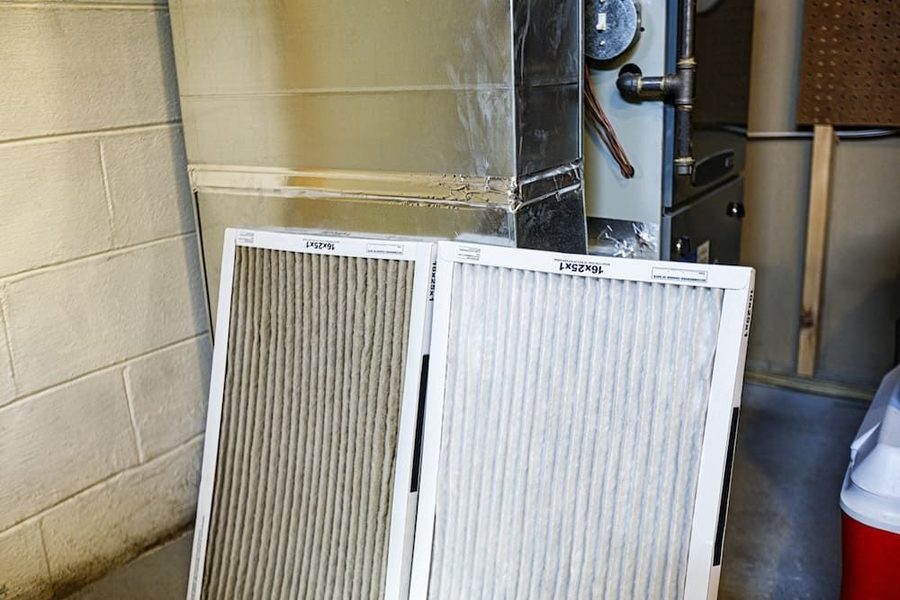
Dust and Pet Hair Matting: If you miss a routine air filter swap, loose household dust, pet dander, and hair will bypass the filter and stick to the wet coils. This debris eventually slides into the drain line, forming a thick fibrous plug.
-
Rust and Scale Flaking: On older heating and cooling systems, the internal metal drain pans or nearby structural brackets can naturally rust over time. Flakes of old rust can break loose and wedge inside the narrow pipe connections.
-
Outdoor Insect and Pest Invasions: The outdoor end of your PVC drain line is a reliable water source for local Missouri pests. Small insects, mud daubers, or spiders can crawl inside the open pipe to build nests, completely locking the exit path.
The Safety Guard: Why a Clogged Drain Shuts Off Your AC
Discovering that your air conditioner has suddenly stopped running on a humid eighty-five-degree afternoon is incredibly frustrating. You walk over to your indoor thermostat, but the screen is completely blank or displaying an error code, and the outdoor fan refuses to click on.
While a dead system feels like a major mechanical emergency, it is actually a sign that your equipment’s built-in safety features worked perfectly. Modern air conditioning systems across O’Fallon and St. Peters are installed with an indispensable safety device called a float switch, which is mounted directly onto your indoor drain pan or built right into the PVC line.
When the drain line clogs, the incoming water has nowhere to go, causing the water level inside the drain pan to rise rapidly. Before that dirty water can overflow the pan and ruin your basement drywall or rot out your ceiling joists, the rising water lifts a tiny plastic float inside the safety switch. The millisecond that the float rises, it breaks the low-voltage electrical circuit connecting your thermostat to your primary cooling system. This cuts off all power instantly, shutting down the AC before a single drop of water can escape the pan and cause expensive property damage.
Simple Troubleshooting: How to Locate and Clear the Line
If your air conditioner has turned off because of a triggered float switch, you do not necessarily have to wait around in a hot house for a major mechanical overhaul. You can execute a few safe, simple troubleshooting steps to clear the airway and reset your system.
Safe Ways to Clear an AC Condensate Blockage
-
Locate Your Indoor Drain Line Setup: Find your indoor air handler or furnace utility closet. Look for a thin white PVC pipe coming out of the side of the unit. You should see a small T-shaped access cap or an open vertical pipe extension.
-
Inspect the Secondary Emergency Pan: Check the metal pan sitting directly underneath the entire indoor unit. If this secondary pan is full of standing water, your safety switch is actively holding the power circuit open to protect your floors.
-
Use a Wet-Dry Shop Vacuum Outdoors: Walk outside your house and locate the exit point of the white PVC pipe, which is usually found near your outdoor condenser unit. Securely attach a wet-dry shop vac hose to the end of the pipe, seal the gap with a rag, and run the vacuum for two to three minutes to suck out the slime plug.
-
Perform a Clean Water Flush: Once the main plug is sucked out, walk back inside and pour a cup of warm water mixed with a small splash of plain white vinegar down the open T-cleanout port. This helps break up remaining algae film without damaging your plastic pipes.
Protecting Your Property from Sudden AC Shutdowns
Managing your home’s hidden condensation drainage network is one of the easiest ways to prevent sudden summer system blackouts and avoid incredibly expensive water damage restoration bills. While simple household habits like swapping out your air filters on time and pouring warm water down your cleanout port can handle baseline algae control, resolving chronic drainage failures or resetting delicate electrical safety switches takes specialized trade expertise. Continuing to bypass a float switch or running an improperly pitched drain line is a dangerous gamble that can result in structural mold growth and ruined ceilings. Making the proactive choice to schedule a precision system tune-up and clear out hidden line blockages ensures your home utility grid operates safely, drops your emergency repair risks, and keeps your property cool, dry, and comfortable all summer long.
Let Our St. Charles County Technicians Clear the Way
You don’t have to struggle with confusing system cutouts or messy water puddles on your own. The friendly, fully licensed team at Stay Cool Climate Control specializes in precision cooling system maintenance, safety switch diagnostics, and thorough drain line clearing services across St. Charles County. Whether you need a fast emergency visit to reset a tripped switch, a complete line flush to wash away biological slime, or a professional system modernization check, we treat your property with total respect.
Contact us today to schedule your AC repair service!

Schedule Your Service with Stay Cool Climate Control
Don’t hesitate to reach out to us for the comprehensive solutions you need. We are happy to discuss any concerns you may have and will provide the honest, professional advice you need to help you make the best decision for your home. Contact us today to schedule a free second opinion, request an estimate, or book an immediate appointment for heating and air conditioning services in O’Fallon, Missouri.