5.0 Rated on Google



Stay Cool Climate Control
Is Your AC Unit a Nest for Missouri’s Spongy Moths?
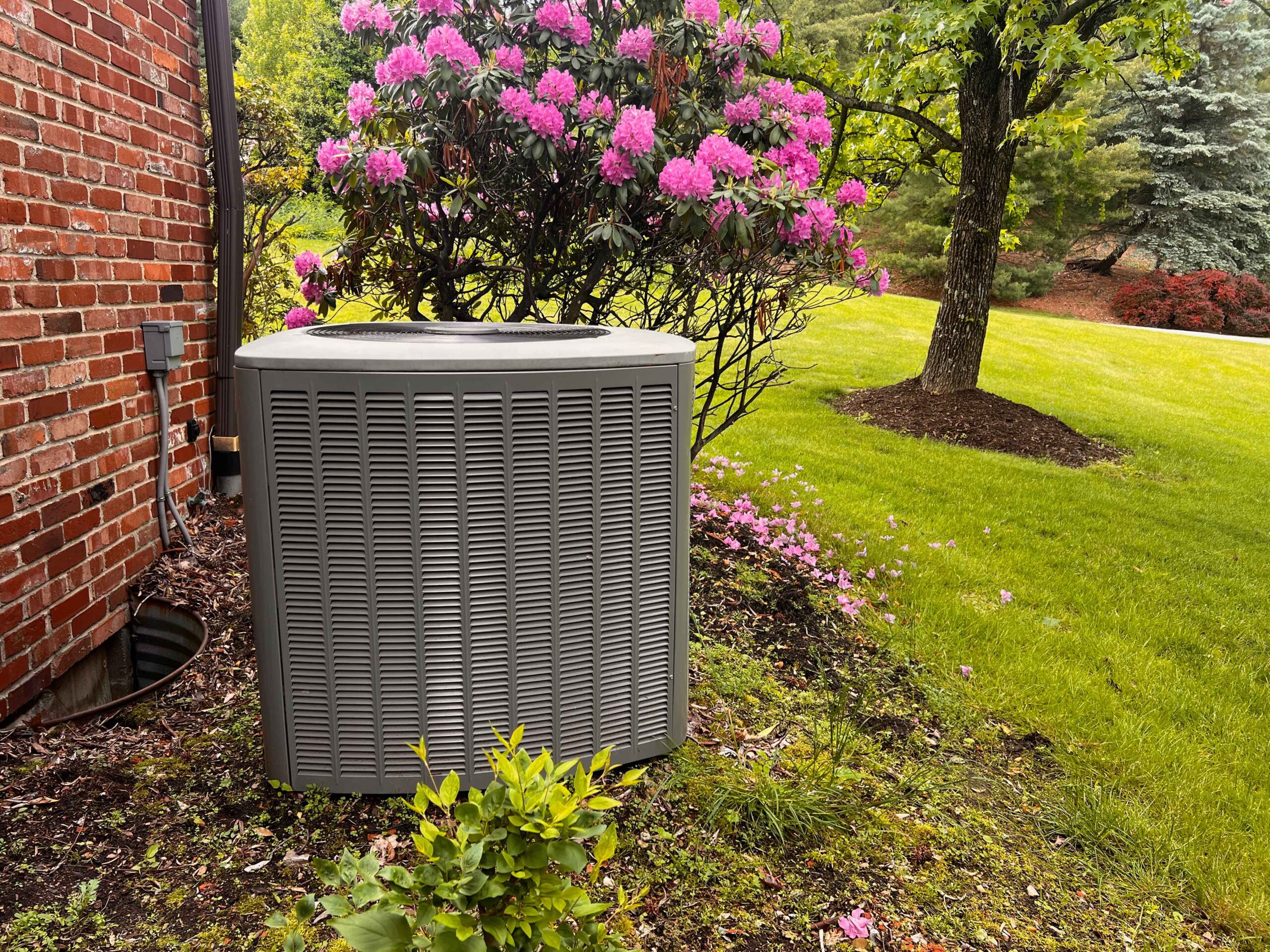
As the spring of 2026 unfolds across O’Fallon, St. Charles, and the greater St. Louis metro area, Missouri homeowners are keeping a watchful eye on their gardens and woodlots. While we are accustomed to the usual seasonal pests, a newer threat has been making headlines across the Show-Me State: the Spongy Moth. Formerly known by a different name, this invasive species is more than just a threat to our majestic oaks and nut trees. It is a significant, often overlooked hazard to your home’s air conditioning system.
At Stay Cool Climate Control, we have seen that the most expensive HVAC repairs often stem from the smallest intruders. In our humid Missouri climate, your outdoor condenser unit is a beacon for local wildlife. While mice and ants are common culprits, the Spongy Moth presents a unique mechanical challenge. These insects don’t just fly around your unit; they use it as a sanctuary for their destructive life cycle.
This guide explores the intersection of Missouri entomology and HVAC health. We will detail why your AC unit is the perfect “nursery” for Spongy Moths, the damage they can cause to your cooling efficiency, and how you can protect your investment before the summer heat truly arrives.
The Spongy Moth in Missouri: A Growing Concern
The Spongy Moth (Lymantria dispar) is an invasive defoliator that can strip a healthy tree bare in a matter of weeks. While the Missouri Department of Conservation has been working hard to track and mitigate their spread, 2026 has seen a localized increase in sightings throughout St. Charles County.
The name “Spongy Moth” refers to the insect’s egg masses, which have a fuzzy, tan, sponge-like appearance. A single female can lay up to one thousand eggs in one of these clusters. In the wild, they prefer the underside of tree limbs or the crevices of bark. However, in a residential neighborhood, they seek out any sheltered, dark, and undisturbed surface. Your outdoor air conditioning condenser, which sits idle for much of the early spring, is a prime piece of real estate.
Why Your AC Unit Is an Ideal Nesting Site
To a Spongy Moth, your outdoor AC unit looks like a high-end apartment complex. There are several reasons why these pests choose your HVAC equipment as their primary nesting ground:
1. The “Hidden” Geometry
The interior of an AC condenser is a maze of metal fins, copper tubing, and electrical housing. It provides hundreds of tiny, sheltered nooks that are protected from the wind, rain, and predators like birds or parasitic wasps. Females often crawl deep into the louvers or the fan housing to deposit their “spongy” egg masses where they won’t be easily disturbed.
2. Temperature Stability
Even when the unit is not running, the metal housing of an AC unit absorbs solar heat during the day and releases it slowly at night. This creates a slightly warmer microclimate that can accelerate the development of the eggs. Once the cooling season starts and the compressor begins to run, the vibration and warmth can act as a trigger for the larvae to emerge.
3. Proximity to Food Sources
Missouri homeowners love their shade trees. Most AC units are located near the side of the house, often shaded by the very oaks and maples that Spongy Moths love to eat. The moth lays her eggs on the unit, and when the caterpillars hatch, they simply crawl a few feet to the nearest branch to begin their feast.
The Mechanical Toll: How Moths Kill Your AC Efficiency
You might wonder how a small egg mass or a few caterpillars can destroy a multi-ton cooling system. The damage is both mechanical and energetic.
Airflow Obstruction
Your air conditioner works by pulling air through the delicate aluminum fins of the condenser coil to release heat from your home. Spongy Moth egg masses are sticky and dense. If several females choose your unit, these masses can physically bridge the gaps between the fins. This creates “dead zones” where air cannot pass. Even a ten percent reduction in surface area can cause your system to work significantly harder, spiking your utility bills and putting extra strain on the compressor.
Corrosive Residue
The “spongy” covering of the egg masses is made of the female’s body hairs and a sticky secretion. Over time, as these masses sit against the aluminum fins in the Missouri humidity, they can trap moisture and organic acids. This leads to localized corrosion or “pitting” of the coils. Once a coil develops a pinhole leak, the refrigerant escapes, and your system will lose its ability to cool entirely.
Electrical Interference
Caterpillars are curious and mobile. As they hatch and move toward the exit of the unit, they often crawl into the electrical “contactor” or the control board. If a caterpillar is crushed inside a contactor when the AC kicks on, it can cause an electrical short. This can blow a fuse, trip a breaker, or, in worse cases, fry a sensitive circuit board that can cost hundreds of dollars to replace.
5 Steps to Moth-Proof Your Missouri AC Unit
At Stay Cool Climate Control, we believe that an ounce of prevention is worth a gallon of refrigerant. Here is how you can protect your unit during the 2026 moth season:
- Perform a “Flashlight Audit”: Once a week during April and May, take a bright flashlight and look into the vents of your outdoor unit. Search for tan, fuzzy patches that look like small pieces of felt or sponge.
- Proper Removal Technique: If you find an egg mass, do not just spray it with a hose. This will only spread the eggs. Instead, use a putty knife to carefully scrape the mass into a jar of soapy water or rubbing alcohol. This kills the eggs instantly.
- Clear the Perimeter: Keep a two-foot “buffer zone” around your AC unit. Trim back any overhanging branches and remove leaf litter or woodpiles where moths might congregate.
- Install a “Pest Shield”: While you should never wrap your unit in plastic (which causes rust and overheating), you can talk to a Stay Cool technician about specialized mesh covers designed to keep out large insects while maintaining proper airflow.
- Schedule Professional Maintenance: A professional tune-up is the best defense. We don’t just check the freon; we deep-clean the coils with specialized solutions that remove organic residue, egg masses, and the pheromones that attract future pests.
Why Choose Stay Cool Climate Control?
We are a locally owned and operated business that understands the specific challenges of living in O’Fallon and St. Charles. We aren’t just HVAC technicians; we are your neighbors who deal with the same Missouri pests and weather patterns you do.
- NATE-Certified Experts: Our team is trained to identify more than just mechanical failures. We know what Missouri pest damage looks like and how to fix it correctly.
- Upfront Pricing: We provide clear, honest quotes before any work begins. If a moth nest has caused damage, we will show it to you and explain your repair options without any high-pressure sales tactics.
- The “Stay Cool” Guarantee: We stand behind our work. Whether we are cleaning your coils or replacing a compressor, we ensure the job is done right the first time.
- 2026 Technology: We use the latest thermal imaging and diagnostic tools to find “hot spots” in your coils caused by airflow obstructions, ensuring your system runs at peak efficiency.
Don’t Let an Invasive Species Steal Your Comfort
The Spongy Moth is a formidable opponent for Missouri’s forests, but it shouldn’t be the downfall of your air conditioner. By being proactive and understanding why these pests are attracted to your HVAC equipment, you can save yourself from a mid-summer breakdown and a costly repair bill. Your AC unit is the heart of your home’s comfort; don’t let it become a nursery for invasive pests.
Stay ahead of the swarm this season. Contact Stay Cool Climate Control today to schedule your spring maintenance and ensure your unit is clean, clear, and moth-free!

Schedule Your Service with Stay Cool Climate Control
Don’t hesitate to reach out to us for the comprehensive solutions you need. We are happy to discuss any concerns you may have and will provide the honest, professional advice you need to help you make the best decision for your home. Contact us today to schedule a free second opinion, request an estimate, or book an immediate appointment for heating and air conditioning services in O’Fallon, Missouri.