5.0 Rated on Google


Stay Cool Climate Control
What to Do If Your AC Stops Working During a Missouri Heat Advisory
There’s never a convenient time for your air conditioner to stop working. But when it happens during a Missouri heat advisory, it can quickly become a serious problem.
Summer temperatures across O’Fallon, St. Peters, Wentzville, Lake Saint Louis, and the surrounding St. Charles County area routinely climb into the 90s. Add Missouri’s notorious humidity, and the heat index can easily exceed 100°F. During these periods of extreme heat, your air conditioning system isn’t just a comfort feature; it’s essential for keeping your home safe and livable.
If your AC suddenly stops cooling during a heat advisory, here’s what you should do next.
Prioritize Your Family’s Safety
Before troubleshooting your HVAC system, focus on keeping everyone in the home cool and hydrated.
According to the Centers for Disease Control and Prevention (CDC), air conditioning is one of the most effective ways to prevent heat-related illnesses during extreme heat events. Older adults, young children, and individuals with certain health conditions are especially vulnerable to heat exhaustion and heat stroke.
If indoor temperatures begin rising rapidly:
- Drink plenty of water
- Close blinds and curtains to block sunlight
- Avoid using ovens and heat-producing appliances
- Limit strenuous indoor activity
- Move to an air-conditioned public space if necessary
The CDC’s heat safety recommendations can be found here:
https://www.cdc.gov/heat-health/
Check Your Thermostat
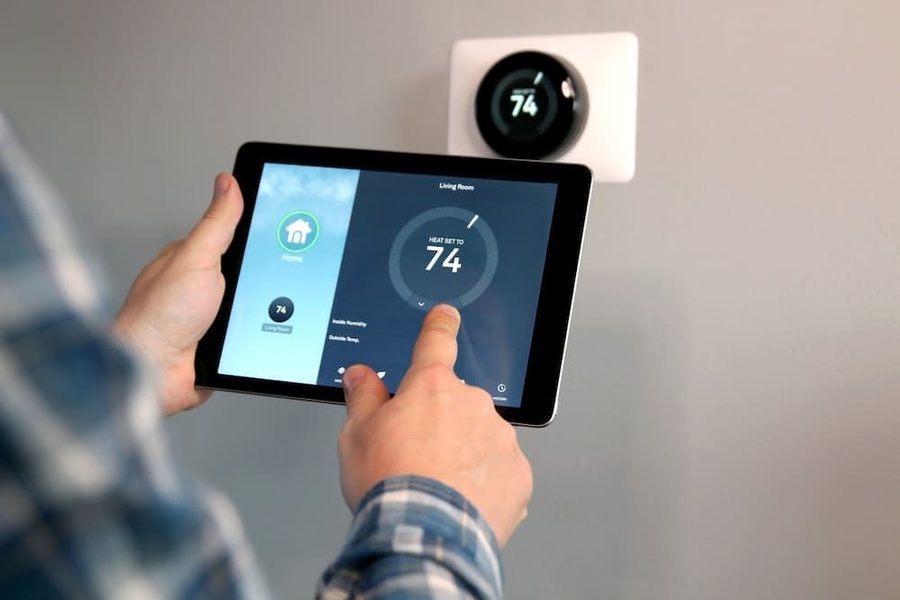
You might be surprised how often a thermostat issue is responsible for an apparent AC failure.
Start by verifying that:
- The thermostat is set to “Cool”
- The desired temperature is lower than the current room temperature
- The display screen is functioning properly
- Batteries have not died (if applicable)
Power fluctuations during periods of high electrical demand can sometimes reset thermostat settings or interrupt communication with the HVAC system.
Inspect Your Circuit Breaker
When temperatures soar, air conditioners run longer and work harder. This increased workload can sometimes trip a breaker.
Locate your home’s electrical panel and look for breakers labeled:
- Air Conditioner
- AC
- Furnace
- HVAC
If a breaker has tripped, reset it once.
If it trips again immediately, stop troubleshooting and contact a professional. Repeated breaker trips often indicate electrical problems that require expert diagnosis.
If your system still won’t start after resetting the breaker, it may be time to schedule professional AC repair before the problem worsens.
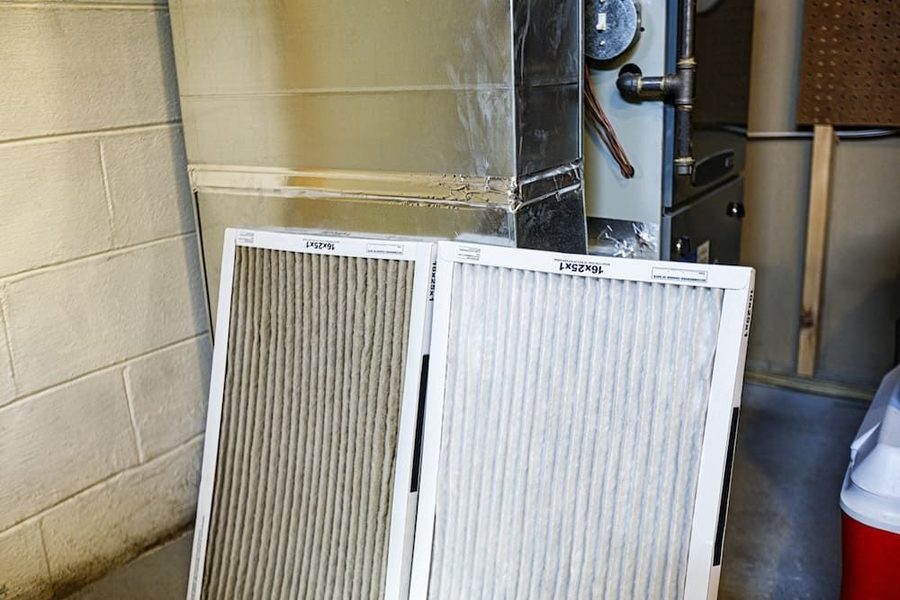
Check Your Air Filter
A dirty air filter can cause a surprising number of cooling problems.
Restricted airflow forces your system to work harder and may lead to:
- Poor cooling performance
- Frozen evaporator coils
- Increased energy bills
- System shutdowns
Remove your filter and inspect it. If it’s visibly dirty, replace it with a clean filter of the correct size and rating.
Many homeowners don’t realize that routine air conditioning maintenance is one of the easiest ways to prevent these types of summer breakdowns before they occur.
Look at the Outdoor Unit
Your outdoor condenser plays a critical role in removing heat from your home.
Safely inspect the unit for:
- Grass clippings
- Leaves
- Cottonwood buildup
- Overgrown landscaping
- Visible damage
The Department of Energy recommends maintaining adequate clearance around outdoor equipment to ensure proper airflow and efficiency.
Ideally, keep at least 2 feet of clearance around the condenser unit.
Check for Ice on the Refrigerant Line
If the system is running but your home isn’t cooling, inspect the refrigerant line near your indoor unit.
Ice or frost on the line often points to:
- Airflow restrictions
- Dirty filters
- Low refrigerant levels
- Blower motor issues
If you discover ice:
- Turn the cooling mode off.
- Switch the fan to “On.”
- Allow the system to thaw completely.
Continuing to operate a frozen system can lead to additional damage and more expensive repairs.
Know When It’s Time to Call for Emergency HVAC Service
Some problems require immediate professional attention, especially during a heat advisory.
Contact a technician if:
- The system won’t turn on
- Warm air is coming from the vents
- Water is leaking around the indoor unit
- Ice continues forming on refrigerant lines
- You hear grinding, squealing, or buzzing sounds
- The breaker repeatedly trips
- Indoor temperatures continue rising
During extreme heat events, HVAC companies often experience a significant increase in service calls. Scheduling emergency HVAC service as soon as you notice a problem can help reduce downtime and prevent dangerous indoor conditions.
Why Air Conditioners Often Fail During Missouri Heat Waves
Heat advisories place tremendous stress on HVAC systems.
The National Weather Service issues heat advisories when heat and humidity combine to create potentially dangerous conditions. During these periods, air conditioners may run nearly nonstop throughout the day.
Extended runtimes can expose underlying issues such as:
- Weak capacitors
- Failing compressors
- Refrigerant leaks
- Dirty coils
- Electrical problems
Many of the emergency breakdowns we see during Missouri heat waves result from maintenance issues that went unnoticed in the spring.
The National Weather Service heat safety information is available here:
https://www.weather.gov/safety/heat
When AC Repair Isn’t the Best Long-Term Solution
If your air conditioner is over 12 to 15 years old and requires frequent repairs, replacing the system may be the smarter investment.
According to the U.S. Department of Energy, modern high-efficiency systems can significantly reduce energy consumption compared to older equipment.
Signs replacement may be the better option include:
- Frequent breakdowns
- Rising utility bills
- Uneven temperatures throughout the home
- Expensive repair estimates
- Difficulty keeping up during hot weather
In these situations, exploring AC replacement may provide better long-term value than continuing to repair an aging unit.
Many homeowners also take advantage of available HVAC financing options to make upgrading to a more reliable, energy-efficient system more manageable.
Prevent the Next Heat Advisory Breakdown
The best way to avoid losing air conditioning during a Missouri heat advisory is preventive maintenance.
A professional HVAC tune-up allows technicians to identify worn components before they fail under extreme summer conditions.
Regular maintenance can help:
- Improve cooling performance
- Reduce energy costs
- Extend equipment lifespan
- Lower the risk of emergency repairs
- Improve indoor comfort during extreme weather
For homeowners throughout O’Fallon and St. Charles County, annual maintenance remains one of the smartest investments you can make in your home’s comfort and reliability.
Need Fast AC Repair in O’Fallon or St. Charles County?
When your air conditioner stops working during a Missouri heat advisory, waiting isn’t always an option.
At Stay Cool Climate Control, we help homeowners throughout O’Fallon, St. Peters, Wentzville, Dardenne Prairie, and the surrounding St. Charles County communities restore comfort quickly with expert diagnostics, honest recommendations, and dependable service.
If your AC isn’t keeping up with the heat, contact our team today to schedule professional service.
Schedule Your Service with Stay Cool Climate Control
Don’t hesitate to reach out to us for the comprehensive solutions you need. We are happy to discuss any concerns you may have and will provide the honest, professional advice you need to help you make the best decision for your home. Contact us today to schedule a free second opinion, request an estimate, or book an immediate appointment for heating and air conditioning services in O’Fallon, Missouri.