5.0 Rated on Google


Stay Cool Climate Control
Why Your Furnace Keeps Turning On and Off During Cold Weather in St. Charles County
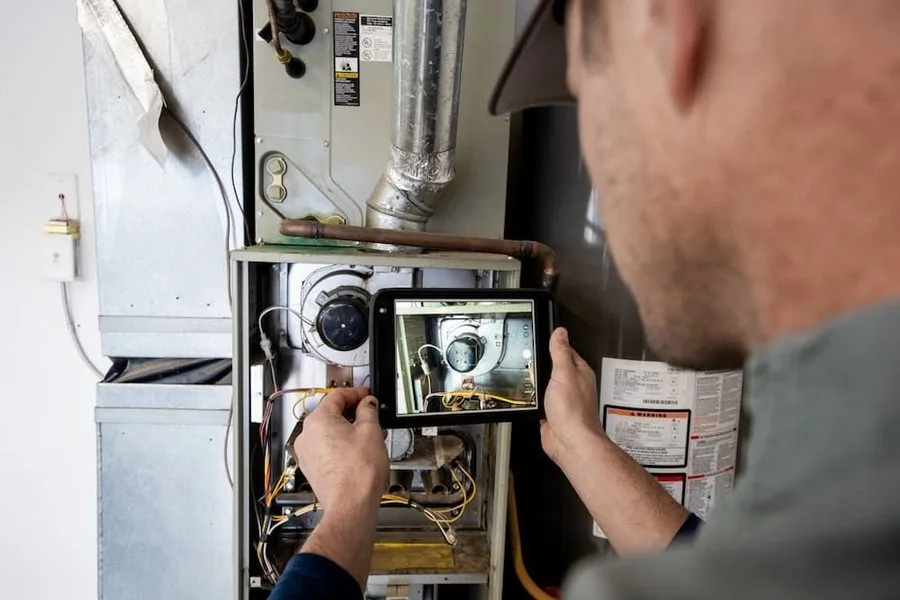
When winter temperatures drop across St. Charles County, Missouri, your furnace works harder to maintain a comfortable indoor environment. However, if your heating system repeatedly turns on and off without adequately warming your home, you may be experiencing a problem known as short cycling.
Furnace short cycling can contribute to inconsistent indoor temperatures, increased energy consumption, and premature equipment wear. Identifying the underlying cause before temperatures drop further can help prevent unexpected heating breakdowns.
Why Does My Furnace Keep Turning On and Off During Cold Weather?
A furnace that repeatedly turns on and off during cold weather may be short cycling because of a dirty air filter, restricted airflow, thermostat problems, a faulty flame sensor, overheating, blocked exhaust vents, or improperly sized heating equipment.
Cold weather increases heating demand, which can make existing furnace problems more noticeable. While longer or more frequent heating cycles may be normal during winter, repeatedly shutting down before reaching the desired indoor temperature is a potential warning sign.
What Is Furnace Short Cycling?
Furnace short cycling occurs when a heating system repeatedly starts and stops after unusually brief operating periods.
During a normal heating cycle, the thermostat signals the furnace to begin heating when indoor temperatures fall below the desired setting. The furnace distributes warm air throughout the home and shuts down once the thermostat is satisfied.
When short cycling occurs, the furnace shuts down prematurely and may restart shortly afterward.
How Often Should a Furnace Cycle During Winter?
There is no universal heating cycle length. Outdoor temperatures, home insulation, thermostat settings, and equipment design all influence furnace operation.
During particularly cold weather in St. Charles County, longer heating cycles are often normal. However, repeated shutdowns after brief operating periods may indicate an underlying problem.
7 Reasons Your Furnace Keeps Turning On and Off
1. A Dirty or Clogged Furnace Filter
A dirty air filter is one of the most common causes of furnace short cycling.
When dust and debris accumulate on the filter, airflow becomes restricted. This can cause internal furnace temperatures to rise, triggering the high-limit safety switch and shutting down the burners.
Once the furnace cools, it may restart and repeat the cycle.
Check your furnace filter regularly and replace it according to manufacturer recommendations, particularly during peak heating season.
2. Blocked Heating Vents or Restricted Airflow
Even with a clean air filter, other airflow restrictions can interfere with furnace performance.
Common causes include:
-
Closed or obstructed supply vents
-
Furniture blocking return vents
-
Damaged or restricted ductwork
-
Dirty blower components
-
Improperly sized air filters
Inadequate airflow can prevent heat from circulating properly, potentially causing overheating and repeated shutdowns.
Keep supply and return vents unobstructed and schedule professional service if airflow problems persist.
3. Thermostat Problems or Improper Placement
Your thermostat communicates with your furnace to regulate indoor temperatures. When it provides inaccurate readings or experiences technical problems, heating cycles may become inconsistent.
Potential thermostat issues include:
-
Weak batteries
-
Incorrect temperature settings
-
Faulty temperature sensors
-
Electrical communication problems
-
Improper thermostat placement
A thermostat positioned near a heating vent, drafty window, or direct sunlight may register temperatures that do not accurately reflect the rest of your home.
Checking thermostat settings and replacing batteries, where applicable, may help resolve minor issues.
4. A Dirty or Faulty Flame Sensor
Gas furnaces use flame sensors to verify that the burners have successfully ignited.
If the flame sensor cannot detect a flame, the furnace shuts off the gas supply as a safety precaution. The system may then attempt to restart, resulting in repeated ignition and shutdown cycles.
A dirty or malfunctioning flame sensor can cause these problems even when the burners ignite successfully.
Professional furnace repair can determine whether the flame sensor needs cleaning, replacement, or further diagnosis. Never attempt to bypass furnace safety controls.
5. Your Furnace Is Overheating
Furnaces contain safety mechanisms designed to prevent excessive internal temperatures.
Common causes of furnace overheating include:
-
Restricted airflow
-
Blower motor problems
-
Dirty internal components
-
Damaged ductwork
-
Malfunctioning temperature controls
When internal temperatures become excessive, the high-limit switch may shut down the burners to protect the equipment.
Repeated overheating should never be ignored. Continuing to operate a malfunctioning furnace can contribute to additional equipment damage and potential safety concerns.
6. Snow or Ice Is Blocking Furnace Intake or Exhaust Vents
Missouri winters can bring snowfall, freezing rain, and ice accumulation that affect certain high-efficiency gas furnaces.
Snow, ice, or debris may obstruct exterior intake or exhaust pipes, interfering with combustion airflow and triggering safety shutdowns.
Homeowners in O’Fallon, St. Peters, Wentzville, and surrounding communities should visually inspect accessible exterior furnace vent openings after winter storms.
If you suspect a blockage that cannot be safely addressed, contact a heating professional. Never modify furnace venting or bypass safety switches.
7. Your Furnace Is Improperly Sized
An oversized furnace may heat the area near the thermostat too quickly, causing the system to shut down before warmth is evenly distributed throughout the home.
This can contribute to frequent cycling, inconsistent indoor temperatures, and increased component wear.
An undersized furnace, by comparison, is more likely to run for extended periods while struggling to maintain the desired temperature.
A professional heating load calculation can help determine the appropriate furnace size for your home’s heating requirements.
Why Does Furnace Short Cycling Become More Noticeable During Cold Weather?
Freezing temperatures increase your home’s heating requirements. As your furnace operates more frequently or for longer periods, existing performance problems may become more apparent.
Restricted airflow, aging components, and malfunctioning controls can interfere with the system’s ability to meet increased heating demand.
Additionally, snow and ice accumulation around exterior furnace vents can introduce seasonal operating problems.
Cold weather does not necessarily cause short cycling directly. Instead, winter conditions can expose underlying issues that were less noticeable during milder weather.
Can Furnace Short Cycling Damage Your Heating System?
Ignoring persistent furnace short cycling may lead to several problems:
-
Higher heating bills: Frequent startup and shutdown cycles can reduce operating efficiency.
-
Premature component wear: Repeated startups can increase wear on ignition components, motors, and electrical controls.
-
Inconsistent indoor comfort: Short heating cycles may prevent warm air from circulating adequately.
-
Unexpected breakdowns: Unresolved mechanical or electrical problems may worsen over time.
Addressing the underlying cause early can help protect your heating equipment and maintain consistent winter comfort.
How to Troubleshoot a Furnace That Keeps Turning On and Off
Before scheduling furnace repair, consider these basic troubleshooting steps:
-
Check and replace a dirty air filter.
-
Confirm your thermostat is set to heating mode.
-
Replace thermostat batteries, if applicable.
-
Remove obstructions from supply and return vents.
-
Visually inspect accessible exterior furnace vents for snow or debris.
-
Observe how quickly your furnace shuts down.
-
Check for visible error codes and consult your owner’s manual.
If short cycling continues, schedule professional furnace repair. Avoid opening combustion compartments, attempting electrical or gas repairs, or bypassing safety controls.
If you smell gas or a carbon monoxide alarm sounds, leave your home immediately and contact emergency services from a safe location.
Can Regular Furnace Maintenance Prevent Short Cycling?
Preventative furnace maintenance can help identify common causes of short cycling before they become more serious.
During a professional heating tune-up, technicians may inspect airflow, evaluate thermostat operation, check ignition components, assess blower motor performance, and test furnace safety controls.
Scheduling annual furnace maintenance before winter can help improve equipment reliability and identify developing performance problems.
Get Reliable Furnace Repair in St. Charles County With Stay Cool Climate Control
A furnace that constantly turns on and off should not be ignored, especially during Missouri’s cold winter months.
Is your furnace struggling to complete a normal heating cycle? Contact Stay Cool Climate Control today to schedule professional furnace repair in St. Charles County, MO, and restore dependable comfort to your home this winter.
Recent Posts
Can Cold Weather Affect Your Water Heater? What St. Charles County Homeowners Should Know
Dirty HVAC Filter? How It Can Affect Heating Efficiency in St. Charles County This Fall
Smart Thermostat Settings for St. Charles County Humidity: Comfort vs Savings (What Actually Works)
Get in Touch
Schedule Your Service with Stay Cool Climate Control
Don’t hesitate to reach out to us for the comprehensive solutions you need. We are happy to discuss any concerns you may have and will provide the honest, professional advice you need to help you make the best decision for your home. Contact us today to schedule a free second opinion, request an estimate, or book an immediate appointment for heating and air conditioning services in O’Fallon, Missouri.