5.0 Rated on Google


Stay Cool Climate Control
Dirty HVAC Filter? How It Can Affect Heating Efficiency in St. Charles County This Fall
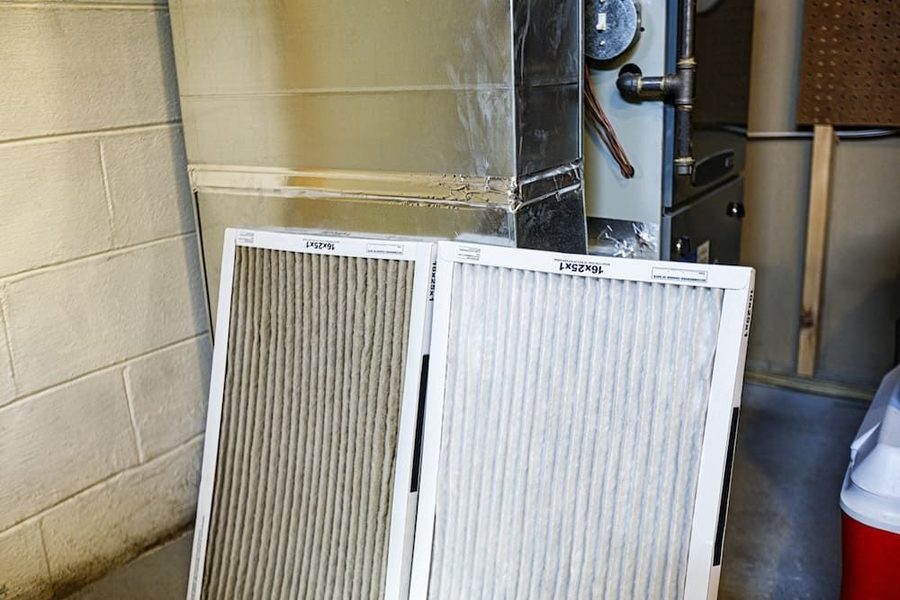
As temperatures begin to cool in St. Charles County, your HVAC system transitions from months of air conditioning to regular heating. Before turning up the thermostat, there is one small maintenance item worth checking: the HVAC filter.
After a long cooling season, a filter may have collected dust, pet hair, and other airborne particles. As debris accumulates, airflow through the system can become restricted. That restriction can affect heating performance, comfort, and energy use. Replacing a dirty filter is an important maintenance step, but it is also important to recognize when a heating problem requires more than a new filter.
Can a Dirty HVAC Filter Make Your Heating System Less Efficient?
Yes. A dirty HVAC filter can restrict airflow through a forced-air heating system. Depending on your equipment and how severe the restriction becomes, the system may operate longer or differently to maintain the thermostat setting, potentially affecting heating performance and energy consumption.
However, the filter is only one factor that influences HVAC efficiency. Equipment condition, ductwork, thermostat settings, insulation, maintenance, and outdoor temperatures can all affect how your heating system performs.
1. A Dirty Filter Can Restrict HVAC Airflow
Your HVAC system needs proper airflow to heat your home effectively.
Return air travels through the filter before moving through the system. The filter captures airborne particles to help prevent them from accumulating on HVAC components.
As the filter collects debris, resistance to airflow can increase. If it becomes sufficiently clogged, you may notice:
-
Weaker airflow from supply vents
-
Rooms taking longer to warm
-
Longer heating cycles
-
Difficulty maintaining the thermostat setting
-
Changes in system operation
Changing a dirty filter can remove one source of airflow restriction. If airflow remains weak afterward, another HVAC or ductwork issue may be responsible.
2. Restricted Airflow Can Affect Furnace Operation
A furnace generates heat, but the HVAC system also needs to move that heat through the home.
When airflow is significantly restricted, some furnaces can experience higher internal temperatures. Depending on the equipment, a safety control may shut down the burners if temperatures exceed acceptable limits.
That can sometimes result in unusual cycling or a furnace that appears to start and stop unexpectedly.
A dirty filter does not automatically cause every furnace shutdown or overheating problem. If your furnace repeatedly shuts off, short cycles, or behaves abnormally even after installing the appropriate clean filter, professional diagnosis is recommended.
3. Dirty Filters Can Affect Heat Pumps Too
Furnaces are not the only heating systems that rely on proper airflow.
Heat pumps use the indoor HVAC system to distribute heated air throughout the house. Because a heat pump moves conditioned air during both heating and cooling seasons, airflow is important throughout the year.
A clogged filter may contribute to reduced airflow, longer operation, or comfort problems.
If replacing the filter does not resolve the issue, the problem could involve the blower, ductwork, thermostat, outdoor equipment, refrigerant circuit, or another system component.
4. Your Home May Heat Unevenly
Are certain rooms taking longer to warm up this fall?
A dirty HVAC filter is one possible contributor.
When airflow is restricted, the system may have more difficulty distributing heated air throughout the house. You might notice weaker airflow from multiple vents or rooms that do not seem to reach the desired temperature as quickly.
However, uneven heating is not always a filter problem. Other possible causes include:
-
Blocked supply vents
-
Obstructed return grilles
-
Duct leakage or damage
-
Blower problems
-
HVAC system sizing or design
-
Insulation and air-sealing differences
If uneven heating continues with a clean filter and open vents, further evaluation may be worthwhile.
5. A Clogged Filter May Increase Energy Use
When an HVAC system cannot move air as intended, its operation may become less efficient.
Depending on the type of equipment and severity of the airflow restriction, the system may run longer or operate abnormally while trying to maintain the thermostat setting. That can contribute to additional energy consumption.
Replacing a dirty filter supports proper HVAC operation, but homeowners should be cautious about claims that a new filter will automatically reduce energy bills by a specific amount.
If your heating costs suddenly change, the filter is worth checking, but equipment condition, weather, thermostat settings, home insulation, and other factors can also affect energy use.
How Often Should You Change Your HVAC Filter?
There is no single filter replacement schedule that applies to every St. Charles County home.
How quickly a filter becomes dirty depends on factors such as:
-
Filter type and size
-
Manufacturer recommendations
-
Number of people in the home
-
Pets
-
Indoor air conditions
-
HVAC runtime
-
Remodeling or construction dust
-
Equipment requirements
A practical approach is to inspect your filter regularly and replace it when needed while following the recommendations for your HVAC equipment and filter.
Does a Higher MERV Rating Mean a Better HVAC Filter?
Not necessarily for every HVAC system.
MERV, or Minimum Efficiency Reporting Value, describes how effectively a filter captures particles within certain size ranges. A filter with a higher MERV rating generally captures smaller particles more effectively.
However, filtration and airflow must be considered together.
Installing a filter that creates more resistance than your HVAC system is designed to handle can potentially reduce airflow. Rather than automatically purchasing the filter with the highest available rating, use a filter compatible with your equipment.
If you are unsure which filter is appropriate, an HVAC professional can help you determine the right option.
Why Check Your HVAC Filter This Fall?
Fall is a convenient time to inspect your filter because your system is transitioning between cooling and heating.
A filter that has been operating throughout the St. Charles County cooling season may already contain substantial debris. Checking it before regular heating begins can give your furnace or heat pump a better starting point for the colder months.
It is also a good opportunity to turn on the heating system before the first very cold day and make sure it starts and operates normally.
What if Changing the Filter Doesn’t Fix the Problem?
A clean filter cannot correct every heating issue.
If your system still has weak airflow, unusual cycling, or trouble maintaining temperature after the correct filter has been installed, the problem may involve:
-
Blower components
-
Ductwork
-
Thermostat
-
Furnace controls
-
Safety controls
-
Heat pump components
-
Other airflow restrictions
Avoid repeatedly resetting heating equipment that continues shutting down. Recurring shutdowns are a sign that the cause should be diagnosed.
Other Ways to Prepare Your HVAC System for Fall
Filter maintenance is only one part of getting your heating system ready.
Before colder St. Charles County weather arrives:
-
Test the heating system
-
Keep supply vents open and unobstructed
-
Keep return grilles clear
-
Check thermostat settings
-
Remove debris around outdoor heat pump equipment
-
Pay attention to unusual sounds or odors
-
Schedule professional maintenance based on your equipment’s needs
If you notice a persistent electrical or burning odor, turn the system off if it is safe to do so and arrange professional service.
Get Ready for Fall With Stay Cool Climate Control
Checking your HVAC filter is one of the simplest ways to support proper airflow as heating season begins. A clean, correctly selected filter can help your furnace or heat pump operate as intended, but persistent comfort or performance problems deserve further attention.
If your St. Charles County heating system has weak airflow, unusual cycling, inconsistent temperatures, or other problems, Stay Cool Climate Control can help.
Contact Stay Cool Climate Control to schedule heating maintenance or HVAC repair and get your St. Charles County home ready for cooler fall weather.
Schedule Your Service with Stay Cool Climate Control
Don’t hesitate to reach out to us for the comprehensive solutions you need. We are happy to discuss any concerns you may have and will provide the honest, professional advice you need to help you make the best decision for your home. Contact us today to schedule a free second opinion, request an estimate, or book an immediate appointment for heating and air conditioning services in O’Fallon, Missouri.