


5.0 Rated on Google


Stay Cool Climate Control
Can Cold Weather Affect Your Water Heater? What St. Charles County Homeowners Should Know
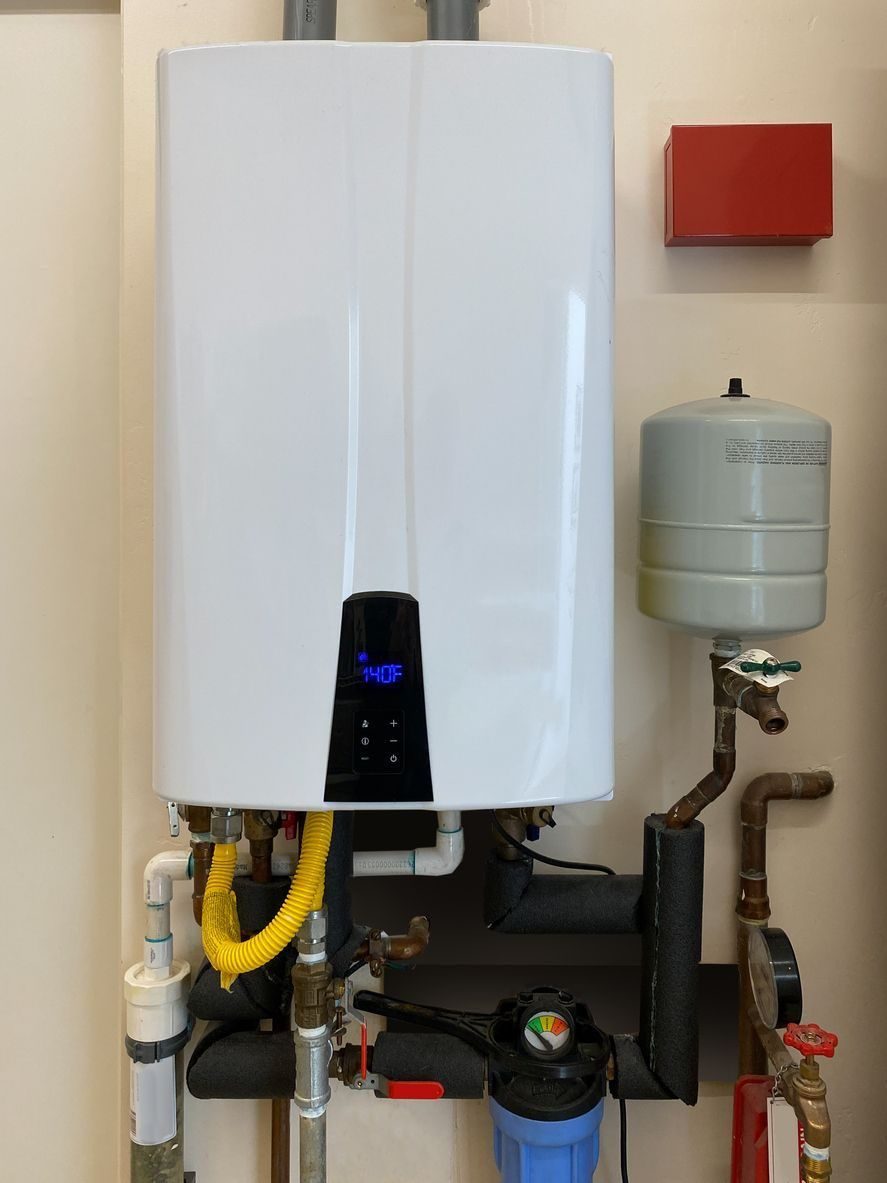
When winter temperatures drop across St. Charles County, Missouri, homeowners depend on reliable hot water for showers, laundry, dishes, and everyday comfort. However, colder weather can make your water heater work harder than usual.
You might notice that hot water runs out faster, takes longer to recover, or doesn’t seem as consistent as it did during summer. While these changes don’t always indicate a malfunction, they can reveal existing problems with your water heating system.
Understanding how cold weather affects water heaters can help you maintain reliable hot water and recognize when professional maintenance or repairs are necessary.
Can Cold Weather Affect Your Water Heater?
Yes, cold weather can affect water heater performance because incoming water is often colder during winter. Your water heater must use more energy to bring that water to the desired temperature, potentially increasing recovery times and reducing available hot water.
Both traditional tank water heaters and tankless systems can experience seasonal performance changes.
The actual impact depends on incoming water temperature, equipment efficiency, household demand, and the condition of your water heater.
1. Colder Incoming Water Makes Your Water Heater Work Harder
Water heaters are designed to raise incoming water to a specific temperature.
During winter, water entering your home may be colder than it is during warmer months.
For example, heating incoming water from 50°F to 120°F requires more energy than heating water from 70°F to 120°F.
This additional temperature increase places greater demand on your equipment.
Why This Matters in St. Charles County
Missouri winters can bring extended periods of freezing weather.
Although underground water temperatures don’t change as quickly as outdoor air temperatures, seasonal fluctuations can still affect the water entering your home.
As a result, your water heater may need more time or energy to provide the same amount of hot water.
2. Your Hot Water May Run Out Faster During Winter
Have you noticed that your morning shower doesn’t stay hot as long when temperatures drop?
Colder incoming water may be responsible.
Traditional tank water heaters store a limited amount of heated water. As hot water leaves the tank, colder water enters and must be heated.
During winter, that incoming water may require additional heating time.
You may also need a higher proportion of hot water when mixing it with colder water at the shower.
Signs Your Water Heater Is Struggling
Watch for:
-
Hot water running out sooner than usual
-
Longer recovery times between showers
-
Fluctuating water temperatures
-
Reduced performance during simultaneous use
-
Difficulty meeting household hot water demand
While seasonal temperature changes may contribute, these symptoms can also indicate sediment buildup, failing components, or insufficient water heater capacity.
3. Tankless Water Heaters Can Also Be Affected
Tankless water heaters provide hot water on demand rather than storing it in a large tank.
However, colder incoming water can affect their performance.
A tankless system has a maximum heating capacity. When incoming water is colder, the unit must produce a greater temperature increase.
This can reduce the amount of hot water it can deliver per minute.
What Does This Mean for Your Household?
During winter, a tankless water heater may struggle to supply multiple fixtures simultaneously if demand exceeds its heating capacity.
For example, running two showers while operating a dishwasher may push the system beyond its available output.
Proper tankless water heater sizing should account for winter inlet water temperatures and household usage.
Systems installed in unheated areas also require appropriate freeze protection according to manufacturer specifications.
4. Winter Can Reveal Existing Water Heater Problems
Cold weather doesn’t necessarily cause a water heater to fail.
However, increased demand can make existing performance issues more noticeable.
Sediment Buildup
Minerals can accumulate inside traditional water heater tanks over time.
Depending on the system, sediment may contribute to reduced performance, unusual noises, or heating problems.
Worn Heating Components
Electric heating elements, gas burners, thermostats, and other components can develop problems as equipment ages.
When your water heater must work harder, these issues may become more apparent.
Leaks and Corrosion
Leaks, rust, or visible corrosion may indicate deteriorating components or connections.
Warning Signs That Need Attention
Contact a professional if you notice:
-
Popping or rumbling sounds
-
Rust-colored hot water
-
Water collecting around the unit
-
Persistent temperature fluctuations
-
Unusually slow recovery
-
Tankless error codes
These symptoms deserve evaluation rather than being dismissed as normal winter behavior.
5. Water Heater Location and Pipe Insulation Matter
Where your water heater is installed can affect its performance during colder months.
Equipment located in unheated garages, utility rooms, or other cold spaces may experience additional heat loss.
Hot water traveling through uninsulated pipes can also lose heat before reaching your fixtures.
How to Reduce Heat Loss
St. Charles County homeowners can take several preventive steps:
-
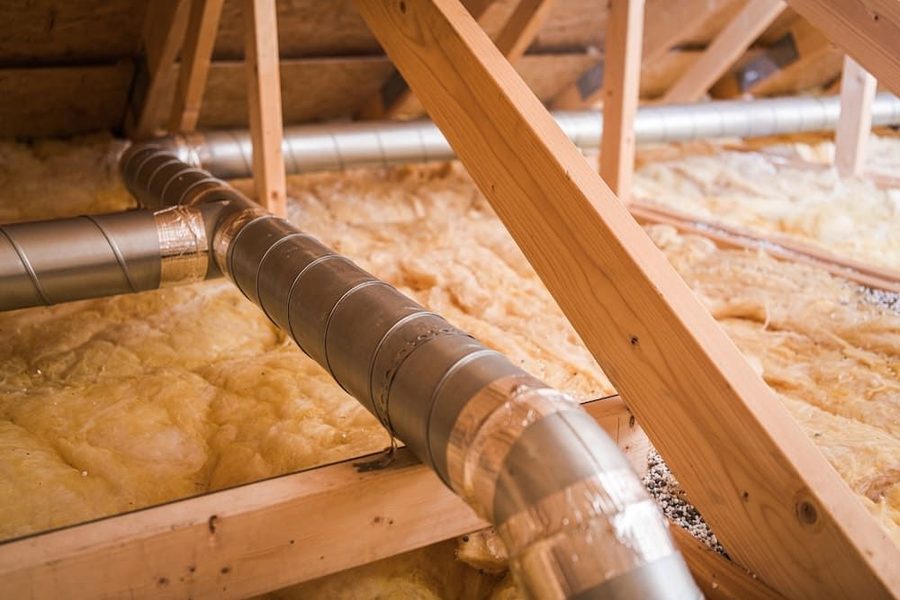
Insulate accessible hot water pipes where appropriate.
-
Protect plumbing located in unheated areas.
-
Check for drafts around vulnerable piping.
-
Consider manufacturer-approved insulation for compatible tank water heaters.
-
Keep the area around equipment accessible for maintenance.
Never cover water heater vents, combustion air openings, safety devices, controls, or manufacturer labels.
If you’re unsure whether additional insulation is appropriate, consult a qualified professional.
6. Can Cold Weather Increase Water Heating Costs?
Yes. Heating colder incoming water requires more energy to reach the same temperature.
Additional heat loss from tanks and piping may also affect overall energy consumption.
However, the impact on your utility bill depends on several factors, including water usage, energy rates, equipment efficiency, and household habits.
Winter Water Heater Efficiency Tips
To help manage energy use:
-
Repair dripping hot water faucets.
-
Avoid unnecessary hot water consumption.
-
Space out high-demand activities when practical.
-
Insulate appropriate exposed hot water pipes.
-
Follow recommended maintenance schedules.
-
Review your water heater’s thermostat setting.
Many residential water heaters are set around 120°F, although appropriate settings depend on equipment specifications and household health and safety needs.
Avoid making unfamiliar adjustments to gas or electrical equipment.
7. When Should You Schedule Water Heater Maintenance?
Routine maintenance helps identify developing problems and supports reliable operation.
For St. Charles County homeowners, fall and early winter are practical times to evaluate water heater performance.
Professional maintenance may include:
-
Inspecting for leaks and corrosion
-
Evaluating heating components
-
Checking thermostat operation
-
Assessing sediment or scale buildup
-
Inspecting applicable safety components
-
Reviewing overall system performance
Maintenance procedures vary depending on whether your home has a gas, electric, or tankless water heater.
Follow manufacturer recommendations and arrange professional service when performance changes unexpectedly.
8. When Should You Consider Water Heater Replacement?
Sometimes repairs are sufficient to restore reliable hot water.
However, replacement may be worth considering when equipment has significant corrosion, recurring problems, or insufficient capacity for your household.
A professional can evaluate:
-
Water heater age and condition
-
Frequency and cost of repairs
-
Household hot water requirements
-
Current equipment efficiency
-
Available replacement options
A leaking storage tank may require replacement rather than a simple repair.
The right decision depends on your equipment’s condition and long-term needs.
St. Charles County Winter Water Heater Checklist
Use this checklist to prepare your water heater for colder weather:
-
Monitor hot water temperature and recovery time.
-
Check for visible leaks or corrosion.
-
Listen for unfamiliar noises.
-
Insulate vulnerable exposed pipes.
-
Protect plumbing in unheated areas.
-
Review household hot water demand.
-
Check tankless system alerts.
-
Follow manufacturer maintenance recommendations.
-
Schedule professional service for persistent problems.
Keep Your Hot Water Reliable With Stay Cool Climate Control
Cold weather can increase the demands placed on your water heater, especially when incoming water temperatures drop.
While some seasonal changes are normal, persistent performance problems may indicate that your equipment needs attention.
Regular maintenance, appropriate insulation, and timely repairs can help keep hot water available throughout Missouri’s colder months.
Stay Cool Climate Control provides water heater services for homeowners throughout St. Charles County and surrounding Missouri communities.
Contact Stay Cool Climate Control today to schedule water heater maintenance or repair and prepare your home for reliable hot water this winter.
Schedule Your Service with Stay Cool Climate Control
Don’t hesitate to reach out to us for the comprehensive solutions you need. We are happy to discuss any concerns you may have and will provide the honest, professional advice you need to help you make the best decision for your home. Contact us today to schedule a free second opinion, request an estimate, or book an immediate appointment for heating and air conditioning services in O’Fallon, Missouri.
