5.0 Rated on Google


Stay Cool Climate Control
Why is My Heat Pump Blowing Cold Air in 20 Degree Weather in St. Charles County?
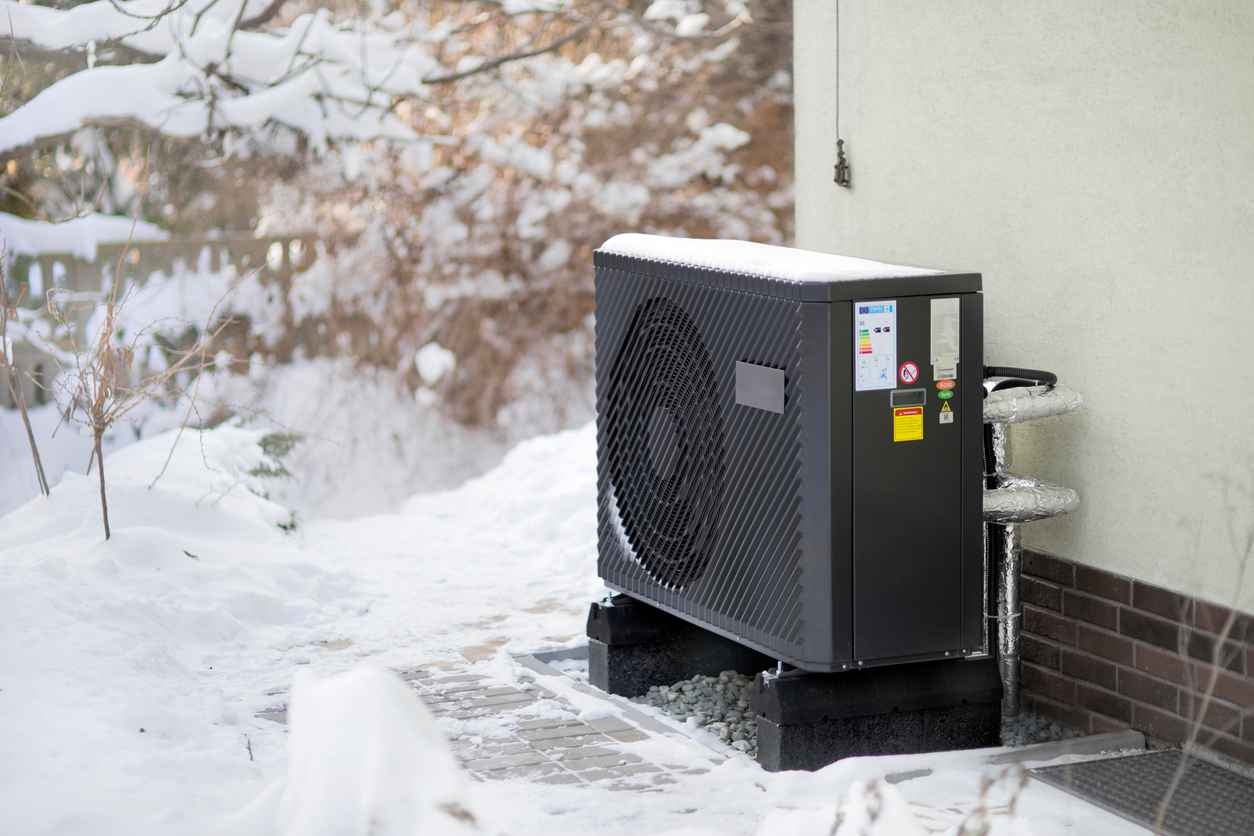
In St. Charles County, we are no strangers to unpredictable winter weather. One day it is a mild 45 degrees, and the next, a biting cold front drops the temperature into the low 20s. For many homeowners in O’Fallon, Wentzville, and St. Peters, this is the time of year when the heat pump becomes the most discussed appliance in the house.
If you walk over to a vent and feel a chilly breeze instead of the toasty warmth you expect, it is natural to worry that your system is broken. However, heat pumps operate very differently than traditional gas furnaces. Understanding the physics of how your system handles the Missouri cold is the best way to determine if your unit is malfunctioning or simply doing its job. In this blog, we will explore the common reasons for cold air during a St. Charles freeze and when you actually need to call for a repair.
Understanding the “Cooler” Feel of Heat Pump Air
The first thing to understand is that “cold” is often a matter of perspective. A gas furnace produces air that is typically between 120 and 140 degrees. That is significantly hotter than your body temperature, so it feels hot to the touch. A heat pump, however, produces air that is usually between 85 and 92 degrees.
The Body Temperature Comparison
Your body temperature is roughly 98.6 degrees. Because the air coming out of a heat pump is often a few degrees cooler than your skin, it can feel “cold” even though it is actually warming your home.
- The Wind Chill Factor: When air at 90 degrees moves quickly across your skin, it can create a slight cooling effect. This does not mean the system is failing; it just means it takes longer to bring the room up to temperature compared to the “blast” of a furnace.
- Steady State Heating: Heat pumps are designed to run for longer periods at lower temperatures to maintain a consistent environment. This is more efficient than the “on and off” cycling of older systems.
Heat Extraction in Sub-Freezing Temps
Many people believe that there is no heat in the air once it hits 20 degrees. However, there is actually thermal energy available in the air all the way down to absolute zero. A modern heat pump is incredibly efficient at squeezing that heat out of the outdoor air and moving it inside. But as the temperature drops in St. Charles County, the amount of heat available decreases, making the air coming out of your vents feel slightly cooler than it did when it was 45 degrees outside.
The Defrost Cycle: A Temporary Chill
If the air coming out of your vents is truly cold, colder than the room temperature, your heat pump might be in its “Defrost Cycle.” This is a completely normal part of heat pump operation during a Missouri winter.
Why Defrosting is Necessary
When it is 20 degrees and there is moisture in the air, frost will inevitably form on the outdoor coils. If that ice is allowed to build up, it blocks airflow and prevents the system from working. To fix this, the heat pump essentially turns into an air conditioner for a few minutes.
- Reversing the Flow: The system temporarily sends hot refrigerant to the outdoor unit to melt the ice.
- The Indoor Impact: While the system is melting the outdoor ice, the indoor unit is technically in “cooling mode.” To prevent your house from turning into a refrigerator, most systems kick on “emergency heat” or “auxiliary heat” strips to temper the air.
- The “Cold” Gap: There is often a 30 to 60 second gap where you might feel cold air before the backup heat strips fully glow and warm the air. If you catch your system during this window, it will feel like the AC is on.
When Cold Air Means a Real Problem
While many instances of “cold air” are normal, there are specific mechanical failures that can happen when the temperature stays at 20 degrees for an extended period. At Stay Cool Climate Control, we look for these specific red flags.
Auxiliary Heat Failure
As mentioned, your heat pump relies on backup electric heat strips (auxiliary heat) when it gets very cold or when it enters defrost mode. If these strips are broken, you will feel the raw, unheated air of the heat pump.
- Broken Heat Strips: If a heating element has burned out, the heat pump cannot keep up with the 20 degree weather on its own.
- Faulty Sequencer: This is the component that tells the heat strips to turn on. If it fails, the “emergency” backup never kicks in, leaving you with lukewarm or cold air.
Refrigerant Issues
A heat pump is a closed loop system. If there is a leak, the system loses its ability to transport heat from the outdoors to the indoors.
- Low Refrigerant: If your refrigerant is low, the system might run 24/7 without ever reaching the target temperature. The air at the vent will feel barely room temperature or even cool.
- Reversing Valve Malfunction: The reversing valve is the part that switches the system from “cooling” to “heating.” If it gets stuck in the middle or stays in cooling mode, you will get cold air regardless of the thermostat setting.
Environmental Factors in St. Charles County
Our local environment can also contribute to heat pump struggles. Because we get a mix of ice, sleet, and heavy snow, your outdoor unit faces physical obstacles that can lead to cold air indoors.
Blocked Airflow Outdoors
If a snowdrift or a pile of autumn leaves is surrounding your outdoor unit, it cannot pull in enough air to extract heat.
- The “Ice Block” Scenario: If your gutters leak onto the unit or if a winter storm encases the entire unit in a thick shell of ice, the defrost cycle might not be enough to clear it. When a unit is “choked” by ice, it will blow cold air because it has no way to gather heat.
- Clearance Requirements: We recommend keeping at least 18 to 24 inches of clear space around your outdoor unit. After a St. Charles snowstorm, it is a good idea to gently brush away snow from the top and sides of the heat pump.
Thermostat Calibration
Sometimes the issue is not the heat pump at all, but the “brain” telling it what to do. If your thermostat is not calibrated for a heat pump, it might not be triggering the auxiliary heat correctly.
- Sensor Issues: If the thermostat is on an exterior wall or near a drafty window, it might get “confused” about the actual temperature in the house, leading to erratic cycles that feel cold to the occupants.
Don’t Stay Cold in St. Charles
Is your heat pump struggling with the cold? Do not wait for a total system failure. The team at Stay Cool Climate Control is ready to help our neighbors in O’Fallon and the surrounding areas. We will inspect your system, test your backup heat, and ensure your refrigerant levels are perfect for the winter ahead.
Contact us today to schedule your winter heat pump tune up and stay cozy all season long.

Schedule Your Service with Stay Cool Climate Control
Don’t hesitate to reach out to us for the comprehensive solutions you need. We are happy to discuss any concerns you may have and will provide the honest, professional advice you need to help you make the best decision for your home. Contact us today to schedule a free second opinion, request an estimate, or book an immediate appointment for heating and air conditioning services in O’Fallon, Missouri.