5.0 Rated on Google



Stay Cool Climate Control
Why Does My Missouri House Feel Stale in Winter?
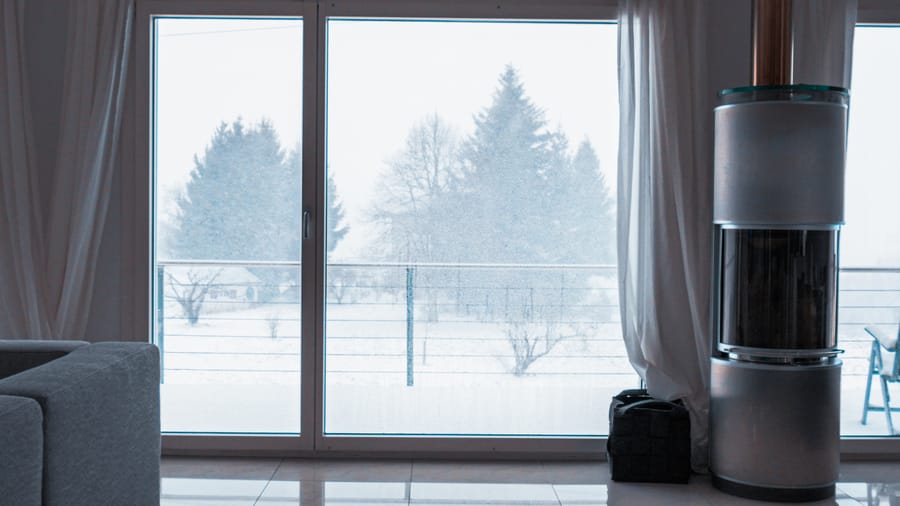
During a Missouri winter, our homes become our sanctuaries. We batten down the hatches against the biting winds sweeping across the plains and the freezing slush that defines February in the Midwest. We seal our windows, weatherstrip our doors, and keep the furnace humming to maintain a cozy interior. However, after a few weeks of living in a tightly sealed house, many homeowners notice a troubling change in their environment. The air begins to feel heavy, flat, and distinctly stale.
This phenomenon is not just in your imagination. At Stay Cool Climate Control, we hear this complaint from families across the O’Fallon and St. Charles areas every year. While we often focus on the temperature of our homes, the quality of the air we breathe is just as important for our comfort and health.
When your house feels stale, it is usually a sign that your indoor environment has become a closed loop, trapping pollutants and moisture inside with no way to escape. Understanding the science behind winter air stagnation is the first step in refreshing your home and improving your winter wellness.
The Tight Envelope Trap
In the HVAC industry, we often talk about the home envelope. This refers to the physical barrier between your living space and the outdoors. In recent years, Missouri homes have been built or retrofitted to be as airtight as possible to increase energy efficiency and lower utility bills.
While a tight envelope is great for your wallet, it creates a lack of natural ventilation. In the summer, we might open windows to let a breeze through. In the winter, the house stays shut tight. Without a constant exchange of fresh outdoor air, the same volume of air is recirculated through your furnace over and over again. This leads to a buildup of carbon dioxide and a noticeable drop in oxygen levels, which is the primary reason the air feels thick or old.
The Buildup of Indoor Pollutants
When fresh air cannot get in, indoor pollutants cannot get out. Every day, we add contaminants to our indoor environment without even realizing it.
Household Chemicals and VOCs
Volatile Organic Compounds, or VOCs, are gases emitted by common household items. This includes cleaning supplies, air fresheners, new furniture, and even the scented candles we love to light during the holidays. In a sealed winter home, these gases reach higher concentrations, leading to headaches, dizziness, and that classic stale smell.
Pet Dander and Dust Mites
In the winter, our pets spend significantly more time indoors. Their dander, along with dust mites and skin cells, becomes trapped in carpets and upholstery. Your furnace filter can catch some of this, but much of it remains suspended in the air or settles on surfaces, contributing to a dusty, oppressive atmosphere.
Cooking Odors and Moisture
Every time you boil water for pasta or fry a weekend breakfast, you are releasing moisture and grease particles into the air. Without proper ventilation, this moisture lingers, increasing the humidity and making the air feel swampy or heavy rather than crisp and clean.
The Role of the Missouri Climate: Humidity Extremes
Missouri weather is famous for its extremes, and winter is no exception. We often deal with very dry outdoor air, which affects how our homes feel on the inside.
The Dry Air Paradox
When the outdoor air is very dry, it pulls moisture out of everything inside your home, including your skin and woodwork. Very dry air can actually feel stale because it irritates the mucous membranes in your nose and throat, making you feel like you are breathing in dust even if the room is clean.
The Condensation Problem
On the flip side, if your home is too tight and you are running a humidifier, you might see moisture forming on the inside of your windows. This standing water can lead to mold growth in window tracks or behind furniture. Mold produces a distinct musty odor that is a major contributor to a stale feeling home.
How to Refresh Your Missouri Home This Winter
You do not have to wait for the spring thaw to breathe fresh air again. There are several professional and DIY solutions to break the cycle of stagnation.
1. Mechanical Ventilation (ERVs and HRVs)
At Stay Cool Climate Control, we often recommend Energy Recovery Ventilators (ERVs). These systems act like the lungs of your home. They pull in fresh, filtered outdoor air and exhaust stale indoor air simultaneously. The best part is that they transfer the heat from the outgoing air to the incoming air, so you get the freshness without losing the warmth you have already paid for.
2. High-Efficiency Air Filtration
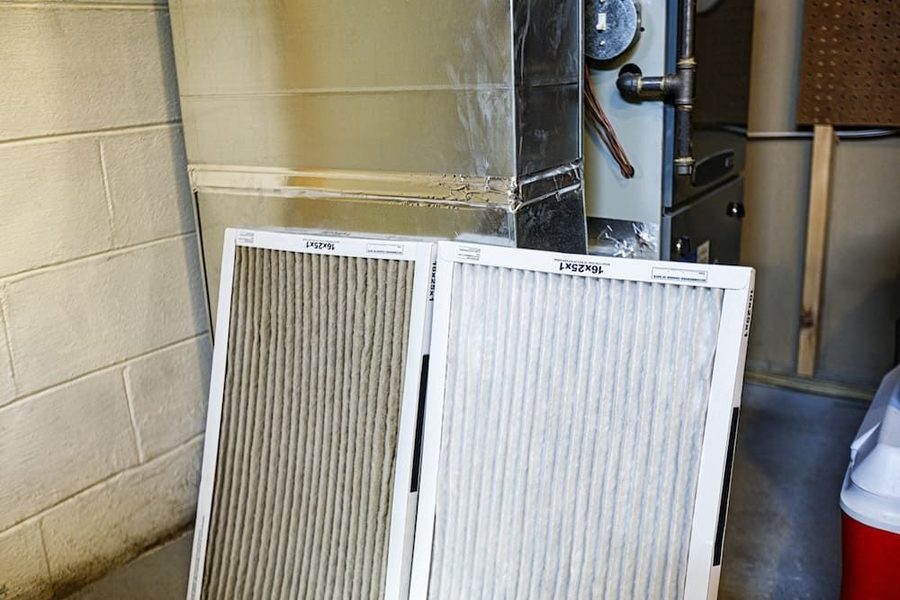
Standard 1-inch fiberglass filters are designed to protect your furnace, not your lungs. Upgrading to a pleated media filter with a higher MERV rating can significantly reduce the amount of dust, dander, and VOCs circulating through your rooms. This helps strip the stale particles out of the air as it moves through your HVAC system.
3. Whole-Home Humidification
Maintaining a consistent humidity level between 35 and 45 percent is the sweet spot for Missouri winters. A whole-home humidifier integrated into your furnace ensures that the air is never too dry or too damp. Properly humidified air feels fresher and is much easier on your respiratory system.
4. The Quick Flush
On a sunny afternoon when the temperature climbs above freezing, try a quick flush. Open a window at opposite ends of the house for just ten minutes. This creates a cross-breeze that can replace a large volume of stale air with fresh oxygen without significantly impacting your furnace’s workload.
Why Stay Cool Climate Control?
We live and work in the same Missouri weather that you do. We understand that home comfort is about more than just a number on the thermostat. Our team is trained to evaluate your entire indoor environment, looking at airflow, humidity, and filtration to provide a comprehensive solution.
Whether you need a simple furnace tune-up to ensure your blower is moving air effectively or you are interested in advanced air purification technology, we are here to help. We believe every family deserves to breathe clean, crisp air all year long.
Reclaiming Your Indoor Air Quality
A stale house is a sign that your home is struggling to manage its environment. By understanding the causes of winter air stagnation, from tight home envelopes to the buildup of household pollutants, you can take control of your indoor air quality. Don’t spend the rest of the winter feeling sluggish and stuffy in your own living room.
Investing in your air quality is an investment in your health and your happiness.
Contact Stay Cool Climate Control today to schedule an indoor air quality assessment and let us help you keep your Missouri home feeling fresh and vibrant all winter long.

Schedule Your Service with Stay Cool Climate Control
Don’t hesitate to reach out to us for the comprehensive solutions you need. We are happy to discuss any concerns you may have and will provide the honest, professional advice you need to help you make the best decision for your home. Contact us today to schedule a free second opinion, request an estimate, or book an immediate appointment for heating and air conditioning services in O’Fallon, Missouri.